Unlimited data is basically standard now for Australian NBN plans — the days of worrying about hitting a 500GB cap are pretty much gone. The real question is which provider gives you the best speed for the least money. That’s what this article is about.
Prices shift regularly, so treat every figure here as a guide and always check the provider’s site before you sign up. With that said, here are the cheapest unlimited NBN plans worth considering in Australia right now.
Cheapest Unlimited NBN Plans at a Glance (2026)
| Provider | Speed Tier | Intro Price | Ongoing Price | Contract |
|---|---|---|---|---|
| Tangerine | NBN 25 | $49.90/mo (6 months) | $59.90/mo | No lock-in |
| Tangerine | NBN 50 | $59.90/mo (6 months) | $69.90/mo | No lock-in |
| Exetel | NBN 50 | ~$59.99/mo (6 months) | ~$65.99/mo | No lock-in |
| SpinTel | NBN 25 | ~$47/mo (6 months) | ~$59.95/mo | No lock-in |
| Superloop | NBN 50 | ~$69/mo | ~$69/mo | No lock-in |
| Aussie Broadband | NBN 50 | ~$69/mo | ~$69/mo | No lock-in |
| Dodo | NBN 25 | ~$59.75/mo | ~$59.75/mo | No lock-in |
| Kogan Internet | NBN 50 | ~$58/mo (prepaid) | Varies | Prepaid |
| TPG | NBN 12 | ~$39/mo | ~$39/mo | No lock-in |
| Leaptel | NBN 50 | ~$64.99/mo | ~$64.99/mo | No lock-in |
Prices are indicative as of mid-2026. Always check current prices on each provider’s website before signing up.
What Speed Do You Actually Need?
Before picking the cheapest plan, it’s worth making sure it’s actually fast enough for your household. Getting the wrong speed tier is a false economy.
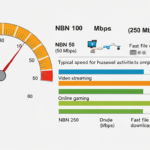
NBN 25 (25Mbps download) works fine for one or two people doing basic stuff — email, social media, standard-definition streaming. If you’re regularly streaming in HD on multiple devices or working from home on video calls, you’ll want NBN 50 at a minimum. NBN 100 is the sweet spot for busy households with three or more people, or anyone who does a lot of video calling or downloads large files regularly.
We’ve written a full guide on which NBN speed tier you need if you want to work through it properly. The short version: most Australian households are best served by NBN 50, and the price difference between NBN 25 and NBN 50 is often only $10-20/month.
The 10 Cheapest Unlimited NBN Plans in Australia
1. Tangerine — Best Value Overall
Tangerine consistently comes up near the top of any cheap NBN comparison, and it’s not hard to see why. Their NBN 50 plan starts at around $59.90/month for the first six months, going to $69.90/month after that. Their NBN 25 entry-level plan is even cheaper — around $49.90 for the intro period, then $59.90 ongoing.
Tangerine is a smaller provider that buys its network capacity from Optus, which means coverage depends on what’s available in your area. That said, in areas where they do operate, the value is hard to beat. They’re not as well known as Telstra or Aussie Broadband, but the no-contract, no-setup-fee structure is simple and transparent. Their customer service is Australia-based, which matters if something goes wrong.
If you’re in a one or two-person household and you want the cheapest ongoing rate without signing anything, Tangerine is worth a serious look. Just make sure your address is in their coverage zone before getting excited about the price.
2. Exetel — Consistently Cheap with Decent Speeds
Exetel has been around long enough to have figured out the budget ISP game. They regularly offer NBN 50 plans for around $59.99/month on intro pricing, rising to somewhere around $65.99/month after the promotional period. For a mid-tier speed plan at under $66/month ongoing, that’s competitive.
They also offer one of the better deals if you pay six months upfront — worth considering if you’re confident you’ll stay with them. Exetel doesn’t have the same reputation for customer service as Aussie Broadband, but they’re not particularly problematic either. ACCC speed test data has consistently shown Exetel delivering close to their advertised speeds, particularly on NBN 50.
One thing to watch: Exetel regularly adjusts their plan pricing and promotional offers, so the figures above might have shifted by the time you’re reading this. Always check their site directly.
3. SpinTel — Cheapest Intro Price Going
SpinTel occasionally runs some of the lowest intro prices in the market. Their NBN 25 plan has been available at around $47/month for the first six months, which is genuinely cheap. The catch is that the ongoing rate — usually around $59.95/month — isn’t dramatically different from competitors.
SpinTel is a smaller provider, which means you won’t find them at the top of every review. But they do have unlimited data, no lock-in contracts, and reasonably competitive pricing. If you’re happy to shop around at the six-month mark and switch when the promo ends, SpinTel can work out very cheap in the short term.
4. Superloop — No-Nonsense Budget Option
Superloop has grown into a proper mid-tier ISP over the past few years. Their NBN 50 plans sit around the $69/month mark — not the cheapest on this list, but they’ve built a reputation for decent speeds and straightforward pricing without a lot of promotional-rate games.
Where Superloop stands out is on latency. The ACCC’s Measuring Broadband Australia reports have shown Superloop consistently delivering among the lower latency results of any provider — around 8-9ms on NBN 50. If you game or do video calls and want a budget ISP that actually delivers, Superloop is a solid pick. We’ve written more about their gaming performance in our NBN plans for gaming guide.
5. Aussie Broadband — Worth the Few Extra Dollars
Aussie Broadband doesn’t quite fit the “cheapest” label — their NBN 50 plan sits around $69/month — but they earn their spot on this list because of what you get for that price. They’re repeatedly voted Australia’s most recommended ISP in independent surveys, they have 24/7 Australia-based phone support, and their real-time network usage graphs give you genuine visibility into what’s happening with your connection.
If you’re willing to pay $69/month rather than $59.90/month, Aussie Broadband is probably the pick. The price difference over a year is about $120. Whether better support and network transparency is worth $10/month is a personal call, but for a lot of people it is — especially if you’re working from home and downtime costs you real money.
6. Dodo — Basic but Cheap
Dodo sits in the very budget end of the market. Their NBN 25 plan is around $59.75/month — roughly the same as competitors at that tier — but they’ve been around for decades and have reasonable brand recognition for customers who value familiarity over bleeding-edge value.
Honestly, Dodo isn’t the most exciting option on this list, and their customer service reputation is mixed. But if you’re a very light user who just needs a basic unlimited plan for browsing and email, they’ll do the job. The price is fair for NBN 25.
7. Kogan Internet — Prepaid Flexibility
Kogan Internet works differently to most ISPs on this list — they use a prepaid model where you buy months in bulk upfront. Their NBN 50 pricing can come in around $58/month when bought in 12-month blocks, which makes it genuinely competitive.
The catch is obvious: you’re paying upfront. If the service isn’t great or you move house, you’ve committed the money. Kogan suits people who like the idea of no monthly billing drama and are happy to commit to a full year. Their network runs on the TPG backbone, so coverage and speeds are reasonable in most metro areas.
8. TPG — Cheapest Entry-Level Plan in Australia
TPG’s NBN 12 plan at around $39/month is the cheapest unlimited NBN option you’ll find from a mainstream Australian provider. NBN 12 gives you 12Mbps download speeds, which is slower than NBN 25 — but it’s more than enough for one person doing basic browsing, streaming at standard definition, and checking emails.
If you’re a very light internet user — a retiree who mostly uses email and watches ABC iview, for instance — NBN 12 is perfectly functional and genuinely cheap. Just don’t expect to stream Netflix in 4K or run a lot of devices simultaneously on it.
9. Leaptel — Australian-Owned, Straightforward Pricing
Leaptel is a smaller Australian-owned ISP that doesn’t mess around with promotional rates — their NBN 50 plan runs around $64.99/month and that’s basically what you pay from day one. No bait-and-switch intro pricing, no jumping to a higher rate after six months.
They’re not a household name, but they have a solid reputation in the communities where they operate. Good option if you’re sick of chasing deals every six months and just want consistent, honest pricing.
10. Mate — Competitive Budget Option
Mate Communicate has been growing steadily as a budget ISP. They offer NBN 50 plans competitively priced in the $60-70/month range, often with no setup fees and no lock-in contracts. Their Australian-based support is a plus for a budget provider.
Mate is worth checking if you’ve gone through this list and nothing else grabbed you — their pricing fluctuates with promotions, and they occasionally run deals that undercut most of the providers above.
Watch Out for Promotional vs Ongoing Pricing
A lot of the plans above have two prices: a cheaper intro rate for the first six months, and a higher ongoing rate after that. This is standard across the industry and not inherently dodgy — but it does mean the cheapest-looking plan isn’t always the cheapest over 12 months.
Here’s a quick way to compare honestly: take the intro rate, multiply by six, add the ongoing rate multiplied by six, and divide by 12. That gives you the real average monthly cost over the first year. A plan at $47 for 6 months then $65 ongoing actually costs you $56/month on average — which changes how competitive it looks against a plan at a flat $62/month.
Also worth knowing: most providers let you cancel without penalty, so there’s nothing stopping you from signing up for an intro rate, and then switching to another provider’s intro rate when yours expires. A lot of Australians do exactly this. It takes a bit of effort, but it can save you hundreds a year.
Does the Cheapest Plan Have the Worst Speeds?
Not always. The ACCC’s Measuring Broadband Australia program tests real-world download speeds across providers, and some budget ISPs consistently deliver very close to their advertised speeds. Superloop and Exetel, for instance, have both performed well in ACCC testing on NBN 50 — better than some of the bigger, more expensive providers.
The thing that matters most for everyday speed isn’t which ISP you’re with — it’s which NBN speed tier you’re on. NBN 50 from a budget provider will generally be faster than NBN 25 from a premium provider, simply because the underlying speed is higher. Pick the right tier first, then shop on price.
You can run a speed test right now at our broadband speed test page to see what you’re actually getting from your current plan. We also have a guide on how to properly test your broadband speed — it’s worth reading before you draw any conclusions from a single test result.
Frequently Asked Questions
What is the cheapest unlimited NBN plan in Australia?
The cheapest unlimited NBN plan from a mainstream provider is TPG’s NBN 12 plan at around $39/month. For a faster NBN 25 plan with unlimited data, Tangerine and SpinTel both offer intro pricing around $47-49.90/month. For NBN 50 (the tier most households need), prices start around $59-60/month on intro deals from providers like Tangerine and Exetel.
Is unlimited NBN actually unlimited?
Yes. Unlimited NBN plans don’t have a data cap — you can use as much data as you want without being charged excess fees or having your speed throttled for going over a limit. Most Australian plans have been unlimited for several years now. The main thing that affects your speed is the tier you’re on (NBN 25, 50, 100 etc.) and how congested the network is at peak times, not your data usage.
What’s the difference between NBN 25, 50, and 100?
These refer to the maximum download speeds on each tier: 25Mbps, 50Mbps, or 100Mbps. In practice, you won’t always get the full speed — typical evening speeds are usually slightly below the maximum. NBN 25 is adequate for light use with one or two people. NBN 50 suits most Australian households. NBN 100 is worth it if you have three or more heavy users, or you regularly download large files and do video calls simultaneously. See our full guide on which NBN speed you need.
Can I switch NBN providers without losing internet?
Yes. Switching NBN providers is straightforward — your new provider handles the transfer and there’s typically only a brief interruption (sometimes none at all) when the changeover happens. Most providers don’t require contracts, so there are no exit fees to worry about. It usually takes 1-5 business days to transfer. Your physical NBN connection box stays in place — you don’t need to wait for a technician in most cases.
Are budget NBN providers reliable?
It depends on the provider. Some budget ISPs are very reliable — Superloop and Exetel have both performed well in ACCC independent speed testing. Others cut costs in ways that affect network quality. As a rule, providers who are transparent about their network performance (publishing real-time data or participating fully in ACCC testing) tend to be the more reliable ones. Aussie Broadband is the gold standard here, though they’re not quite in the “cheapest” category.
What should I look for beyond price?
The main things worth checking: whether the provider has Australian-based customer support (important if something goes wrong), whether their speeds are consistent in the evening (7-11pm is peak time on the NBN), and whether the ongoing price after any intro period is still competitive. Reading recent reviews on independent sites like Whirlpool Forums gives a realistic picture of what the day-to-day experience is like with a particular ISP.
If you’re not sure which plan to go with, the safe pick for most households is an NBN 50 plan from a provider like Tangerine, Aussie Broadband, or Superloop. All three are competitive on price, Australian-operated, and have reasonable customer service track records. You can always upgrade or switch later — most plans have no lock-in contracts.
Compare NBN Plans
Ready to find a better deal? Our best NBN plans page is updated monthly with the most competitive offers from Australian providers. You can also use our plan finder to get a personalised recommendation based on your household size and usage, or compare providers head-to-head to see how they stack up on price and customer ratings.